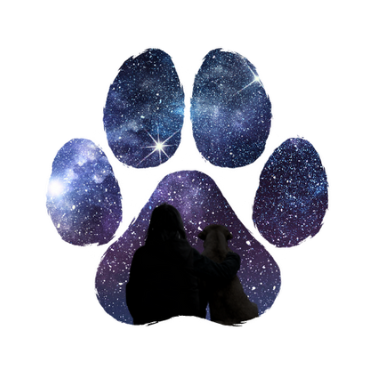
There’s a weight that settles in your chest when a dog leaves your life. It isn’t just sadness. It’s a hollow ache, the kind that lingers in quiet moments and in the spaces they once filled. Their absence is tangible: the empty spot on the couch, the silence at the door, the sudden stillness in the backyard. Grief doesn’t follow a schedule. It arrives in waves, sometimes gentle, sometimes crashing, catching you in the middle of mundane tasks or in the quiet of the night when memory floods in.
Losing a dog is unlike losing anything else in life. They are constant companions, mirrors of our emotions, and anchors in our routines. Their loyalty is unconditional, and their love is both fierce and comforting. Because they become woven into the very rhythm of our days, their departure can feel like a shift in gravity. It’s as if everything familiar is not slightly off-kilter. The pain is profound, not because we loved too little, but because we loved completely, and that bond is irreplaceable.
In this post, we’ll explore why losing a dog can feel so devastating. We’ll talk about the emotional and psychological layers as well as the subtle, lingering energy that keeps their presence alive. You’ll find guidance for navigating grief, honoring their memory, and finding practical ways to process the ache in your heart. Whether you’re struggling to cope with the immediate loss of a dog or preparing for an eventual goodbye, this post offers insight, comfort, and gentle tools to help you move through grief while still holding onto the love that will always remain.

The Depth of the Human-Dog Connection
A dog is more than a companion. They are a heartbeat beside yours and a constant presence that threads through your days. Every routine, every walk, every moment of play or quiet moment becomes a shared rhythm. When a dog leaves, that rhythm abruptly shifts, leaving an emptiness that can feel both physical and emotional. It’s this deep interweaving of lives that makes grief feel so heavy and so difficult to navigate.
Dogs meet us in ways few others do. They sense our moods, reflect our emotions, and offer comfort without words. They celebrate our joy and cushion our sorrow, becoming entwined not just in our homes, but in our hearts. Because of this, grief isn’t just about losing a pet. It’s about losing a daily presence and a companion whose energy was aligned with yours in ways that feel irreplaceable.
For anyone struggling with this absence, it’s important to recognize that there are ways to cope with dog loss that honor both your grief and your dog’s memory. From acknowledging your feelings to creating meaningful rituals, each step provides space for the love that remains to continue guiding and comforting you. Understanding the depth of this relationship is the first step in moving through the heartache without diminishing the connection you shared.
The Emotional & Physical Impact of Loss
Grief after losing a dog doesn’t just affect the heart. It can ripple through the body, mind, and even daily routines. Some days may feel unbearably difficult, while others bring sudden pangs of longing or unexpected tears. It’s common to feel fatigue, restlessness, or even a tightness in the chest as your body responds to the absence of your canine companion. Acknowledging these sensations is not only normal, it’s also essential to understanding your grief.
Emotions may surface in waves, sometimes when you least expect them. Memories, familiar scents, or small daily reminders of your dog can trigger sadness or longing. Children and other family members may experience these feelings differently. Recognizing the variety of emotional responses helps create space for everyone to process together. Grief is not linear, and honoring the intensity of these experiences is a key part of healing.
Finding ways to cope with dog loss can help you navigate both the emotional and physical responses that arise. This might include journaling your thoughts, creating a simple memorial, meditative practices to sense your dog’s lingering energy, or gentle movement to release tension. Each small step provides a bridge between loss and ongoing love, supporting you as you integrate the absence into your daily life while keeping the connection alive in memory and spirit.

Practical Steps to Heal & Honor Their Memory
Healing from the loss of a dog often requires intentional gestures that honor both your grief and the love you shared. Creating a small memorial space at home, collecting favorite toys or photos, or planting a tree in their memory can provide a tangible place to reflect and celebrate their life. These acts of remembrance serve as anchors, giving form to your emotions while keeping your dog’s presence alive in subtle, meaningful ways.
Journaling is another powerful tool. Writing letters to your dog, capturing memories, or expressing the emotions that arise each day allows your heart to process the depth of loss. You can also record dreams, intuitive impressions, or moments where you feel their energy lingering around you. Over time, these reflections become a rich tapestry of connection, showing that love does not end with physical absence but continues in memory, energy, and the imprint they left on your life.
For those learning to cope with the loss of a dog, combining emotional reflection with small, meaningful rituals can create a gentle structure for healing. Daily check-ins with yourself, quiet meditation, or mindful walks help integrate grief into your life rather than letting it feel overwhelming. Each small, intentional step invites both comfort and continued connection, allowing you to honor your dog while gradually learning to move through the heartache with compassion and presence.
Supporting Family & Children Through Dog Loss
When a dog passes, the grief often spreads beyond the primary guardian, touching every family member in unique ways. Children may feel confusion, guilt, or intense sadness, and their ways of expressing loss can differ widely from adults. Some may withdraw, others may act out, and many may have questions that feel difficult to answer. Recognizing and validating these emotions is a crucial first step in helping them navigate their grief.
Open conversations can provide comfort during this time. Sharing your own feelings in age-appropriate ways, inviting children to talk about their favorite memories, and encouraging creative expression can help them process grief more safely. Small rituals can also give children a meaningful way to honor their bond. In our family, we have a tradition for our dog Goliath. He’s buried near a place we go camping every spring, and each year we paint a rock in his memory. When we visit the campsite, we bring the rocks with us and place them at his grave. It’s a simple act, but it allows each of us to remember him in our own way while sharing the experience together.
Families learning how to cope with dog loss often find that these practices help keep the memory of their dog present without feeling overwhelmed by grief. Giving each family member space to express emotions, while also creating shared moments of remembrance, can strengthen connection during this difficult period. Over time, these traditions transform grief into an ongoing reminder that while the loss is real, the love remains part of the family’s story.
Moving Forward With Love
Moving forward after losing a dog doesn’t mean forgetting them. Instead, it means finding a way to carry their presence, love, and lessons into your daily life. Gradually, grief begins to soften, and the raw ache of loss transforms into a quiet ache of remembrance. You may notice their influence in the routines you shared, the ways you interact with animals, or even in subtle shifts in your own emotional rhythm. This integration allows their love to live on within you, guiding your heart even in their physical absence.
Allowing the loss to leave its mark on your life involves honoring your grief and the growth that emerges from it. Some find comfort in new routines that include reflection, gentle rituals, or acts of service inspired by the dog’s spirit. Others may embrace creative expression, journaling, or mindfulness practices that acknowledge sorrow while opening space for gratitude. Through these practices, the memory of your dog becomes a living presence, gently influencing how you approach relationships, joy, and compassion moving forward.
Learning to cope with dog loss means giving yourself permission to live fully while holding your dog in your heart. Integration is not about moving on too quickly or suppressing emotion. It’s about creating a life where love and loss coexist harmoniously. By honoring the bond you shared and the lessons they leave behind, you can find peace and a renewed sense of connection to yourself, to others, and to the enduring imprint of a dog who shaped your life profoundly.

Closing Thoughts
Losing a dog touches the deepest parts of the heart. The grief may feel overwhelming at times, yet it’s also a reflection of the love, trust, and bond you shared. Every tear, every memory, and every quiet moment of missing them is part of honoring that connection. By acknowledging your emotions, engaging in rituals, and embracing the ways your dog’s presence continues to live on, you allow both grief and love to coexist in a way that is healing and meaningful.
While the pain may never fully disappear, it softens as you integrate the loss into your life. You can carry the lessons, joy, and love your dog brought into every day, finding peace in the ways they shaped your heart. Grief is not a process of forgetting. It is a journey of remembering and allowing the bond to remain alive in subtle, enduring ways.
Ready to Take the Next Step?
If this post resonated with you, take a moment to sit with your feelings and honor the bond you shared with your dog. You might revisit old photos, write a letter, or simply breathe and acknowledge your grief. There’s no rush. Healing happens in its own time, and every small act of remembrance matters.
You can also explore more of the Mutt Mystic website to read about other ways to navigate grief. Even small steps, like reflecting on memories or noticing your dog’s energy in quiet moments, can bring comfort and a sense of ongoing connection.

Latest Posts:
- How to Cope With Dog Loss & Manage the Heartache
 There’s a weight that settles in your chest when a dog leaves your life. It isn’t just sadness. It’s a hollow ache, the kind that… Read more: How to Cope With Dog Loss & Manage the Heartache
 - Dog Dreams: What It Means to See a Pomeranian
 The Pomeranian: bright, alert, self-possessed. This dog may be small, but it never moves through the world quietly. There’s a brightness to them – alert… Read more: Dog Dreams: What It Means to See a Pomeranian
 - Chesapeake Bay Retriever Energy: Who Aligns With This Spirit?
 The Chesapeake Bay Retriever’s energy carries an unmistakable sense of purpose, but it’s not loud or performative. It shows up in the way they move… Read more: Chesapeake Bay Retriever Energy: Who Aligns With This Spirit?
 - Your Sagittarius Moon & How You Love Your Dog
 Some people feel their emotions as a steady current, others as a spark. If your Moon sits in Sagittarius, your feelings arrive like a gust… Read more: Your Sagittarius Moon & How You Love Your Dog
 - Dog Dreams: What It Means to See a Siberian Husky
 The Siberian Husky: expressive, resilient, untamed. There’s a brightness in their eyes that feels almost ancient. A blend of endurance and playfulness that seems to… Read more: Dog Dreams: What It Means to See a Siberian Husky